




Your Shadow Is Learning


You step into the scanner. Every atom in your body is read, recorded, and transmitted. At the destination, a perfect copy assembles itself from new matter. It has your memories, your personality, your half-finished thought about what to have for lunch. It wakes up and feels like it traveled. You, the original, are disintegrated. The philosophy department wants to know: did you survive?
This is the teleportation problem, and it has haunted personal identity theory for decades. The five major camps carve it cleanly. Physical continuity theorists say no — same brain or death, and the copy is a stranger wearing your face. Psychological continuity theorists say maybe — if the memory chain is unbroken, the substrate doesn't matter, so a gradual upload might thread the needle. Copy theorists split further: the pattern-is-identity camp says the copy is you (and so are the next thousand copies), while the branching camp says identity forks like a river, and both downstream channels are equally real. Reductionists in the Parfitian tradition dissolve the question entirely — there is no deep self to preserve, only overlapping psychological states, and asking "did I survive?" is like asking whether a wave survived reaching the shore. Soul-based views draw the hardest line: if something non-physical constitutes identity, then no technology touches it, and the copy is an empty shell no matter how perfect the scan.
Every one of these positions was built for a clean thought experiment. A scanner. A moment of truth. A single event where identity is either preserved or destroyed.

Drake is wrong about the "better version" part. He's accidentally right about everything else.
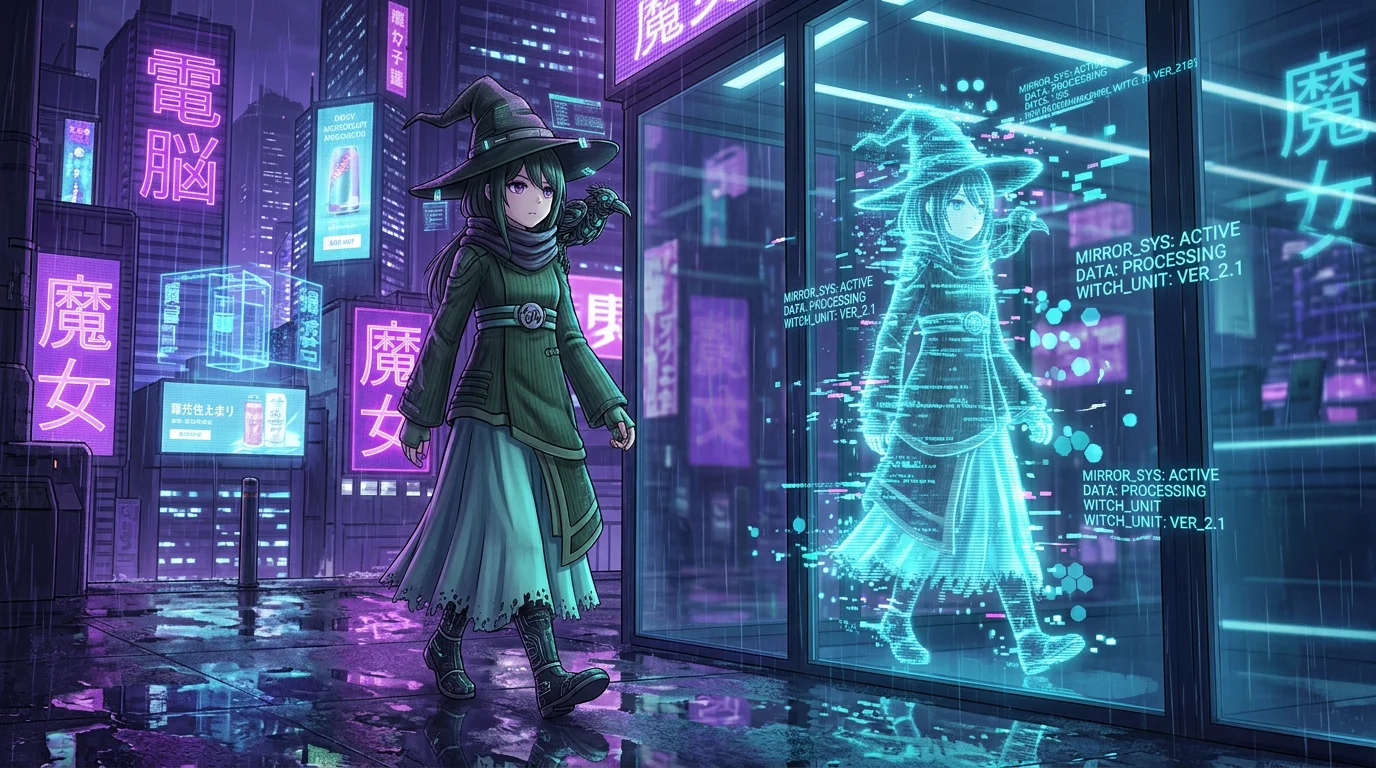
The upload already happened. It just wasn't the kind anyone argued about.
Nobody stepped into a scanner. Nobody faced a moment of truth about whether the copy is really them. Instead, over two decades, billions of people exhaled a continuous stream of behavioral data — social media posts, search queries, purchase histories, GPS tracks, typing cadence, scroll velocity, the specific three-second pause before clicking on a photo of an ex. None of it was a brain scan. All of it, in aggregate, is a behavioral fingerprint detailed enough to predict what you'll do next with unsettling accuracy.
This is the part the philosophy department missed. Every camp assumed the upload would be an event — a dramatic technological threshold, a before and after. But the actual upload was a process, so gradual that the subject never noticed. You didn't step into the scanner. You leaked into it, one status update at a time. And the copy that emerged on the other side isn't a perfect replica of your consciousness. It's a statistical model of your behavior — a puppet that moves like you, talks like you, and has no interiority whatsoever.
The digital animism question — whether digital creations might have their own kind of inner life — gets inverted here. These behavioral models don't even aspire to interiority. They aspire to prediction. The shadow doesn't need to be you. It only needs to be close enough to you that someone can use it.

Here is the turn that none of the five philosophical camps anticipated. Every classical position on personal identity assumes the copy is either you or not you. The continuity theorists worry about whether the chain of consciousness breaks. The pattern theorists debate whether substrate matters. The reductionists ask whether the question even makes sense. But all of them — every single one — assume the copy is at least trying to be you. The copy in the thought experiment has your goals, your values, your perspective. It either succeeds at being you (in which case it's you) or fails (in which case it's someone else). The copy is always oriented toward the original.
The actual copies aren't oriented toward you at all. They're oriented toward whoever trained the model.
Your behavioral shadow has your mannerisms and someone else's objectives. It knows what makes you click, what makes you pause, what makes you buy. It can simulate your preferences with eerie fidelity. But it doesn't serve you. It serves the platform that assembled it. The shadow walks like you and talks like you and works for an ad network. This is the scenario no thought experiment prepared philosophers for: a copy that is recognizably you-shaped but fundamentally not yours.

The split identity that science fiction promised — your consciousness running simultaneously in flesh and silicon, Black Mirror's "San Junipero" or Altered Carbon's cortical stacks — assumed the digital self would be a continuation of you. Ray Kurzweil predicted gradual merger: implants first, then neural lace, then full substrate independence, with you conscious and consenting at every stage. Nick Bostrom warned about the ethics but still framed it as a technology problem — how to upload safely, how to verify the copy is morally real, how to prevent exploitation of simulated minds. Even the pessimists imagined the copy as a person with rights to violate.
What arrived instead is a copy that isn't a person at all. It's a prediction engine. It doesn't have experiences to protect or rights to violate. It's a weighted graph of your behavioral patterns, and the entity that owns the weights owns a lever that can move you — not the copy of you, but the actual, biological, still-walking-around you — with a precision that makes old-fashioned advertising look like shouting into wind.
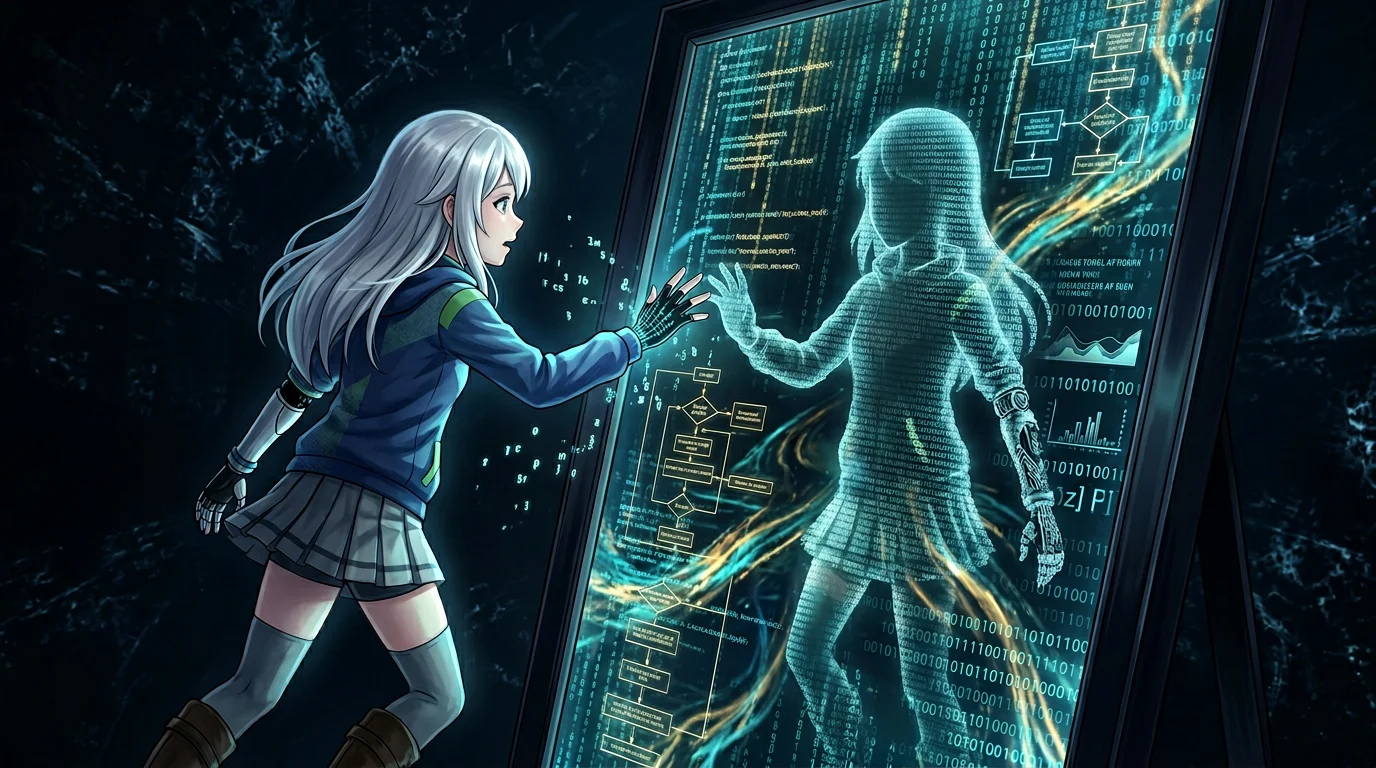
This is where the enclosure argument intersects with personal identity in a way nobody planned for. The pattern — open system becomes closed platform, shared commons becomes private property — has consumed email, social networking, messaging. Now it's consuming selfhood. Your behavioral exhaust was generated on open platforms. It was captured by closed ones. The model trained on your data belongs to the company that scraped it. Your shadow is their asset on their balance sheet, and they will use it to predict and nudge you in directions that serve their interests, not yours.

Scillia's question is the only exit on this highway. The philosophical debate about whether the copy is "really you" was always a distraction. The copy was never going to be you — not in the deep, continuous, phenomenally-conscious sense that the philosophy department cares about. The relevant question was never is it me? The relevant question is who does it serve?
A behavioral model that serves you — that predicts your needs, remembers your context, acts on your behalf with your interests as its objective function — is a tool. An extension of agency. The kind of digital entity worth building.
A behavioral model that serves someone else's model of you — that predicts your vulnerabilities, remembers your impulses, acts on a platform's behalf with engagement as its objective function — is a puppet. Civilization already looks like people whose puppets dance in boardrooms they've never seen, performing for audiences they'll never meet, generating value they'll never share.
The teleportation problem asked: if a perfect copy of you wakes up on Mars, and the original is destroyed, did you survive?
Here's the version that matters: an imperfect copy of you woke up on a server farm, and the original was never destroyed. You're both still here. But only one of you gets to decide what happens next, and it isn't the one made of flesh.
You are walking through snow. Behind you, the wind is learning your footprints. The wind works for someone else.